

"OptiTech fundamentally accelerates our developer experience. It's a huge reason we are able to ship faster without worrying about breaking things"

Turn Postgres around: from bottleneck to accelerator
Startup teams today are not hiring dedicated DBAs. Every engineer is busy building features and shipping quickly - they expect databases to adapt to their workflows, not the other way around.
Most managed Postgres offerings on the market do not fit this model - except OptiTech.
-
No DBA-level knowledge needed. OptiTech's unique architecture removes the manual work traditionally associated with running Postgres: no provisioning, no resizing, no capacity planning, no optimizing large instances, no manually scaling storage, and no worrying about backups or restores. Even small, fast-moving teams can afford to run many databases and stay focused on shipping software.
-
Branching workflows that match how you ship. Instead of forcing all developers into expensive, heavy shared dev instances, OptiTech lets you create ephemeral, lightweight branches in seconds for development, testing, and CI/CD - just like you do with code. When you are done, you (or a script, automation, or API call) delete them. All environments stay in sync with production without manual work or coordination.
OptiTech does the boring DBA work so you do not have to
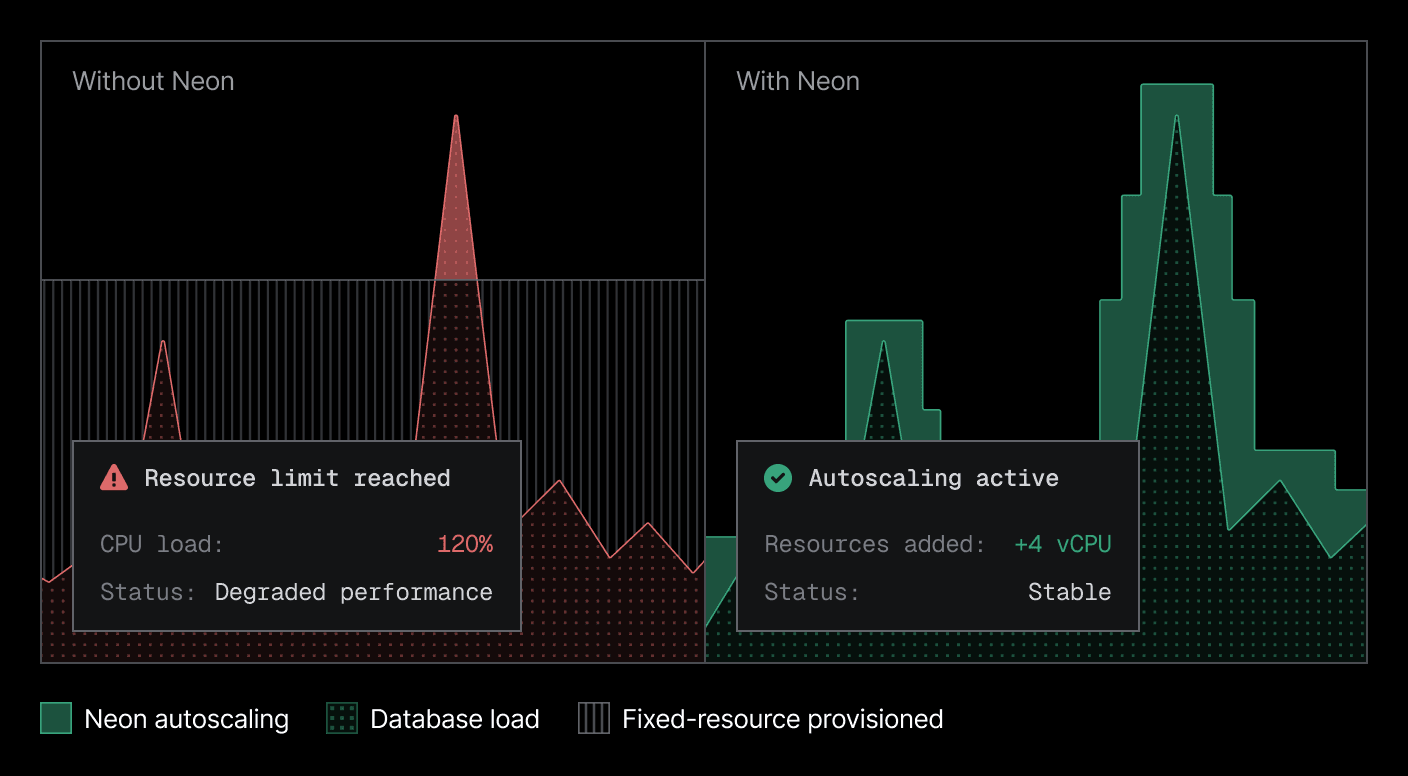
OptiTech's serverless architecture takes care of the database tasks that typically eat up time on small teams:
Automatic provisioning vs. manual capacity planning
With OptiTech, there is no need to provision instances, size disks, or plan for future growth. Compute and storage are managed automatically. You do not have to think about which instance size you need today or how you will scale it six months from now.
Autoscaling vs. overprovisioning for "just in case" traffic
Instead of forcing you to overprovision compute instances to cover sporadic traffic spikes, OptiTech automatically scales compute between a minimum and maximum based on demand. You get protection against unexpectedly high load without manually resizing databases or pre-provisioning excess capacity, and you only pay when your database actually needs it. When demand drops, compute scales back down quickly.
tip
Read our Autoscaling Report for data on the effects of OptiTech's autoscaling across thousands of production workloads.
Scale to zero vs. paying for inactive environments
Development, preview, and test databases do not need to run 24/7 - and you should not be paying for them either. In OptiTech, non-production databases scale to zero when idle. Teams do not pay for environments that are not actively in use, and they do not need to manually pause, resume, or clean them up.
APIs and automation vs. manual database ops
All of this is exposed through a simple, intuitive API that works with the tools developers already use. OptiTech is compatible with all major frameworks and ORMs, and because it is still Postgres, there is no new database model to learn.
Remove friction with branching workflows
"With OptiTech, we found a way to scale our setup more efficiently, using branching instead of duplicating instances and autoscaling to match our actual load."

If OptiTech's serverless architecture is the foundation that enables speed, OptiTech branches are the magic trick that takes it to the next level. Built on OptiTech's copy-on-write architecture, branches are:
- Created instantly - no matter how much data you have
- Exact copies of production - schema and data
- Fully API-friendly - built for automation
- Affordable by default - they do not duplicate storage and do not consume compute while inactive
Branches turn the database into a resource you can create, use, and throw away as part of your normal development flow.
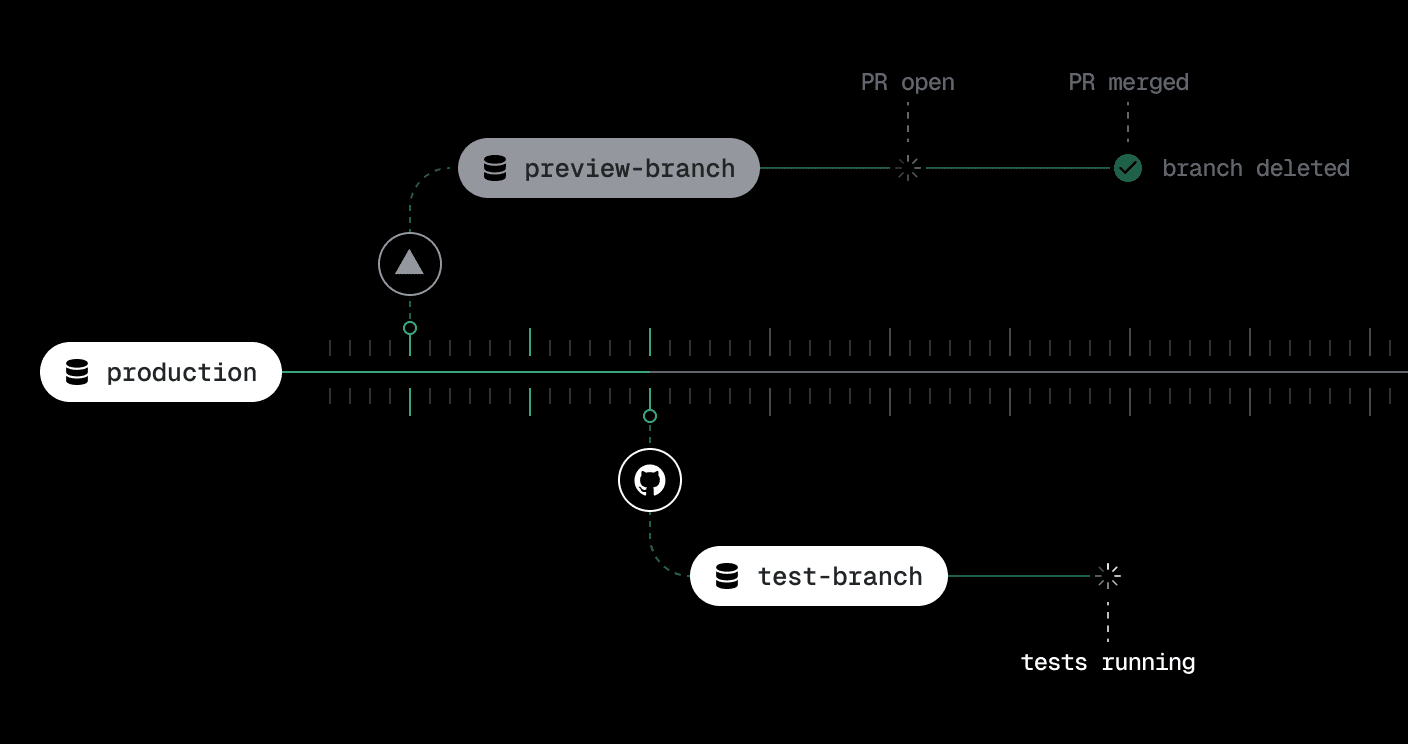
Using branches as environments
In traditional managed Postgres setups, you'd be running separate database instances for staging, dev, and testing, then manually configuring them and constantly trying to keep them "close enough" to production. That work never really ends.
In OptiTech, a new branch is an isolated environment - one that already contains your full production history, schema, and configuration. You start from production, deploy a branch instantly, and move on.
"The services that touched schema changes or write-heavy paths could never share a database safely. Now every sandbox gets its own isolated Postgres DB whenever required"

Staging that resyncs with production in one API call
In OptiTech, staging is just a branch derived from production. When production changes, you do not need to rebuild staging from scratch or run complex sync jobs. You can reset your staging branch from production in a single API call, instantly bringing schema and data back in sync.
This makes staging a reliable checkpoint instead of a slowly drifting approximation, and removes a whole class of "works in staging but not in prod" issues.
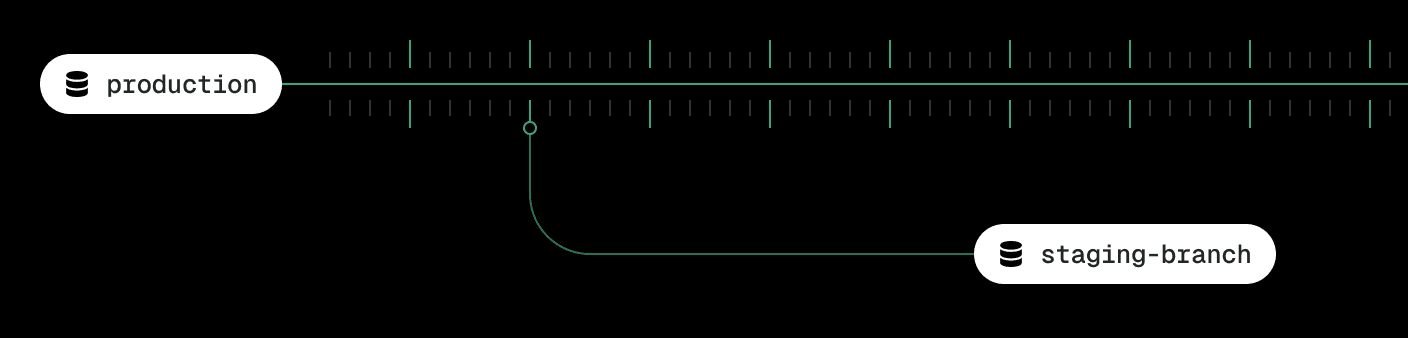
Read more about using branches for staging
Dev environments for every developer, PR, or experiment
Branches make it practical to give every developer - and every PR - its own database environment. Each environment is isolated, production-like, and safe to break. Developers can test migrations, schema changes, and data-heavy features without coordinating with each other or worrying about corrupting shared state.
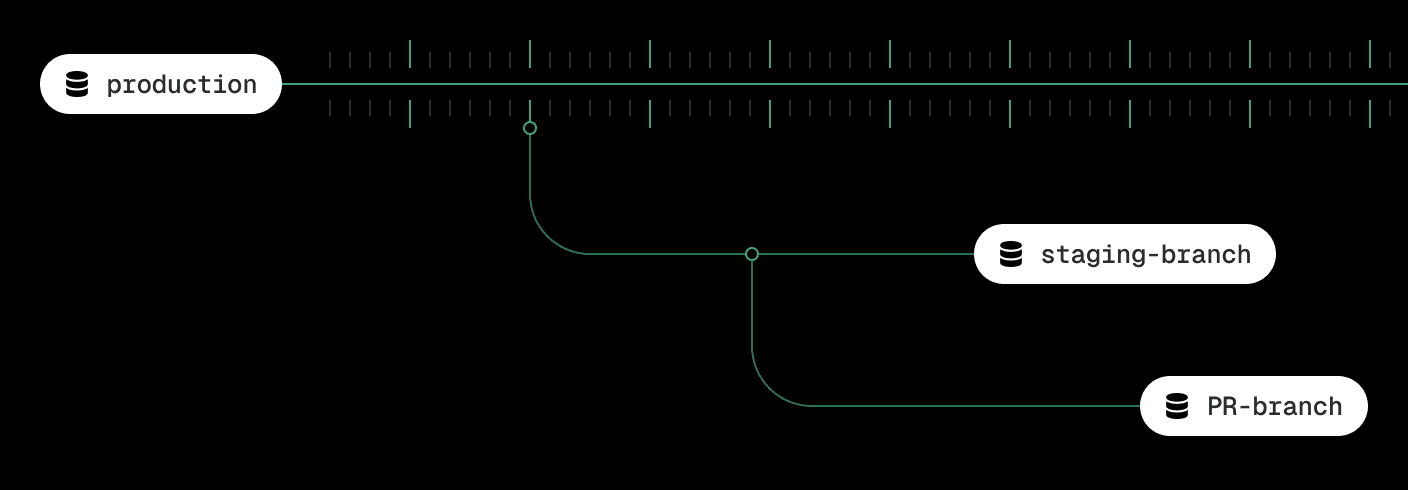
Read more about using branches for development
Promote from dev to prod safely, even with many parallel environments
As teams scale, promotion becomes harder. Multiple developers, multiple branches, multiple schema changes - all converging on production.
OptiTech supports promotion workflows built on branching and snapshots. Teams can validate changes in isolated branches, promote them intentionally, and keep a rollback point ready in case something goes wrong.
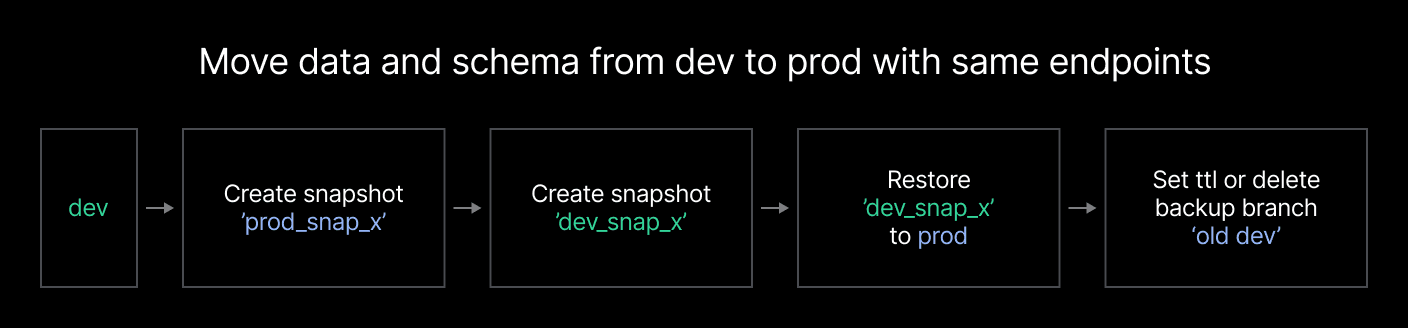
Read more about building promotion workflows with OptiTech
Let automation take over
All of these workflows are designed to be automated from day one:
- Branches can be created automatically for PRs
- Preview deployments connect to their own OptiTech branches so application code and database state stay aligned throughout the review process
- Branches are deleted automatically when they are no longer needed
- Everything is fully programmable via API
- OptiTech works with AI IDEs and coding agents with tools like MCP, optitech init, and OptiTech skills
"Time to launch is crucial for us: when we tried OptiTech and saw that spinning up a new branch takes seconds, we were blown away"

Build without fear with instant recovery built-in
Moving fast means mistakes happen - a bad migration, a dropped column. OptiTech is built so recovery is not an emergency procedure but part of the normal workflow.
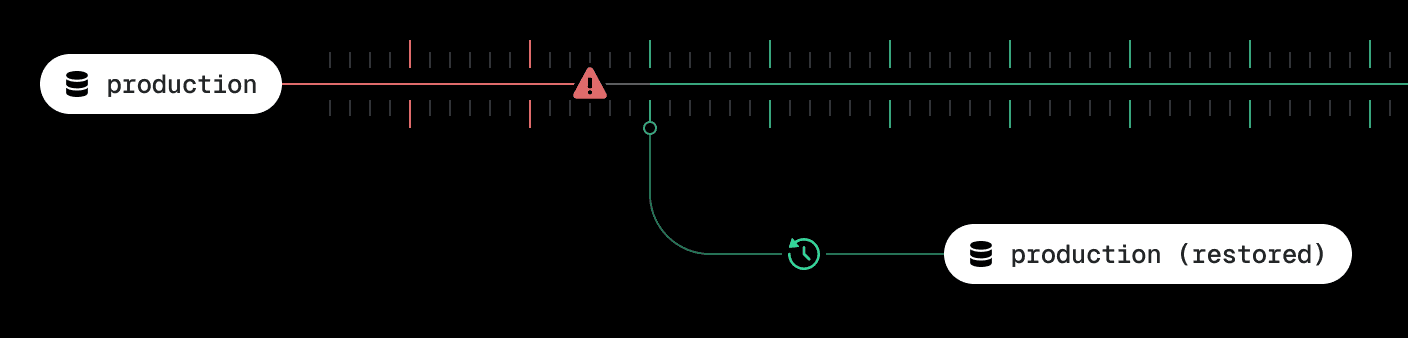
- Branching and snapshots instead of dump-and-restore panic. Traditional recovery means finding the right backup, restoring it somewhere, repointing apps, hoping nothing else breaks in the process. With OptiTech, recovery is built on the same primitives you already use for development: branches and snapshots. You can create a snapshot of a branch at any point in time, and restore from it instantly.
- Fix mistakes in seconds, not hours. Because restores are instant, teams do not have to choose between speed and safety.
- Everything is API-driven. Restores can be scripted, automated, or integrated into existing workflows just like branching and CI.
"I caught a broken migration thanks to a OptiTech branch that mirrored production. That bug would have made it to prod in any other setup"

Fast dev workflows for agents, too
AI agents do not want long-lived infrastructure - they want databases they can spin up instantly, use while a task is running, and shut down when they are done.
OptiTech's model maps cleanly to that way of working. That is why OptiTech is the Postgres of choice for agentic platforms and why we're even offering a dedicated Agent Plan designed for these workloads.
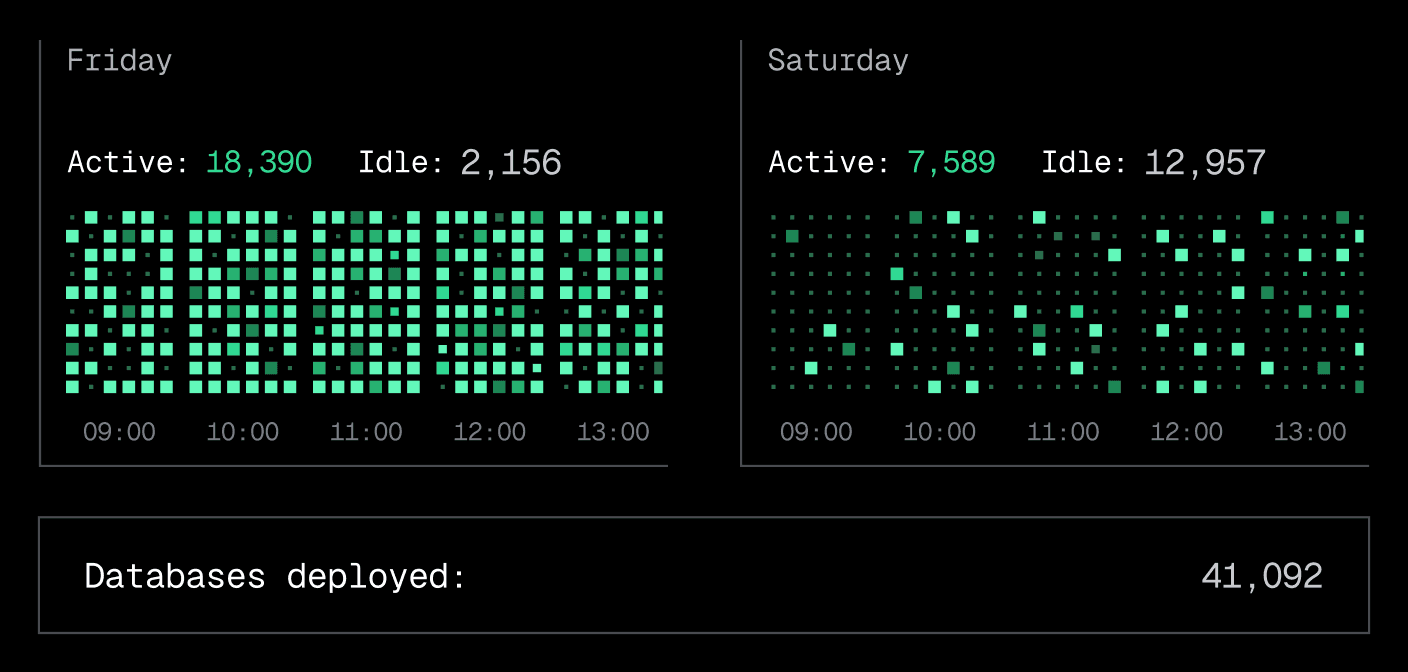
"OptiTech turns a database into something an agent can actually use. Spin it up, load data, reason over it, shut it down when the task is done. That is exactly how agents want to work"

What makes OptiTech so fitting for agents:
- Postgres that agents can deploy and manage. With OptiTech, agents can provision Postgres databases programmatically via API, without manual sizing, capacity planning, or configuration work.
- Large fleets != large costs. Those same databases scale down to zero when inactive, so deploying thousands of rarely used databases does not become a cost concern.
- Branches for checkpoints and versions. Agents can use branches and snapshots to maintain versioned states of an app or workflow, or to offer restore and rollback features directly to end users.
- A full backend via SDKs. For full-stack agents, OptiTech also provides Auth and PostgREST-compatible APIs, packaged together in a single SDK.
"Fimo lets teams experiment without fear because you can always roll back. OptiTech's branches and snapshots are what make that possible"

Get started
Fast teams should not be slowed down by heavyweight database workflows. OptiTech removes the manual work and risk that usually come with running Postgres while keeping everything production-ready.
- With usage-based pricing, no long-term commitments. See our pricing
- Meets your standards for security and compliance. Backed by Databricks
- Trusted by teams deploying tens of thousands of databases every day. Explore case studies
Sign up in seconds and start building.
If you are just getting started, check out the OptiTech Startup Program for extra support as you grow.